Molecular Gastronomy allows chefs to bring a wow factor to their work! This food science requires the right tools, techniques and recipes to create the most unique meals you have even seen. Here is everything you need to know about Molecular Gastronomy.
What Does Molecular Mean In Cooking?
Molecular gastronomy is a type of food science that is associated with the food phenomena of culinary transformations. It involves bringing together scientific principles of chemistry and physics into modern cuisine.
There are many branches of food science that study different aspects of food, such as safety, microbiology, preservation, chemistry, engineering and physics. Until recently, there was no aspect of science dedicated to studying the chemical processes of cooking in the home and in restaurants.
Who Discovered Molecular Gastronomy?
In 1988, the Hungarian physicist Nicholas Kurti and French chemist Hervé This brought these two sciences together with the element of food. Together they discovered the term "molecular gastronomy”. They knew that the natural food of cooking had been investigated for years, but this was the first time it had its own discipline as a food science. The subject was to be used originally for large scale food processing and developed the practice.
Later on, during the early 2000s, Molecular Gastronomy had started to be recognised as a new style of cooking in which some chefs began to explore in the kitchen. They did this by embracing science, research and technological advances in equipment. There has been some recent chefs who have brought these techniques into their work, including Heston Blumenthal, Grant Achatz, Ferran Adrià, José Andrés, Marcel Vigneron, Homaro Cantu, Michael Carlson, Wylie Dufresne, and Adam Melonas.
By studying the science behind different culinary processes or commonly used methods, chefs and scientists can understand why certain flavours and textures are produced. It is the most appropriate subject to allow techniques and theories to be tested amongst shared social experiences using the best culinary innovation. This is how the best creations are made!
How Do You Cook Molecular Gastronomy?
Here are some well known molecular gastronomy techniques:
Spherification
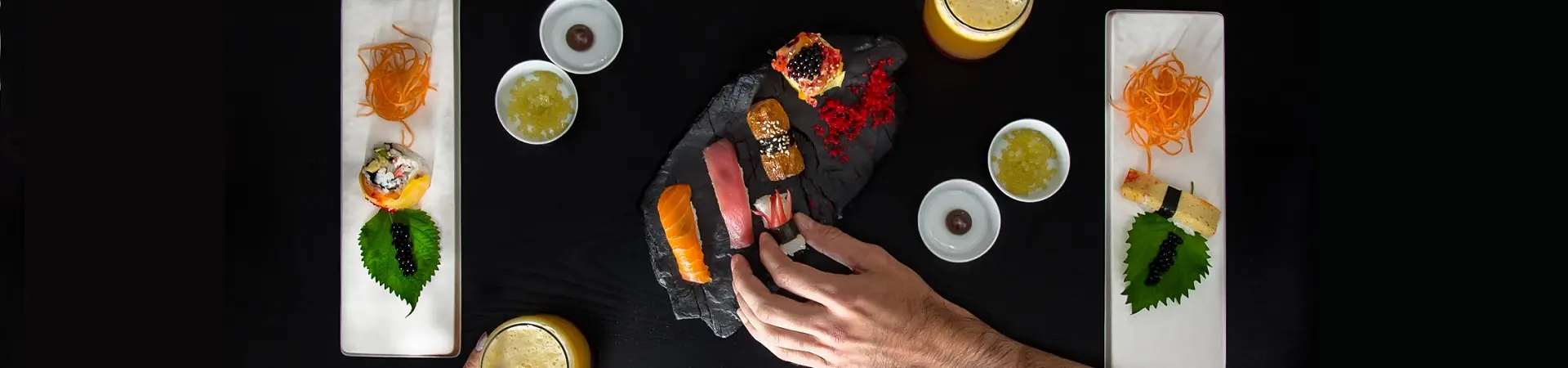
At its most basic, Spherification is the process that creates a sphere of flavours that can look like pearls.
Gelification
By working with chimical agents, this process allows liquids and liquified foods to be transformed into gels.
Smoking
By using a smoke gun, you can add this delicious flavour to a number of foods. The process of flavouring food by exposing it to smoke from burning flavoured wood.
Cryo cooking
Liquid nitrogen is a liquefied gas characterized by a temperature of -320ºF.
In cooking, liquid nitrogen is like deep frying but using extreme cold instead of heat, which means that everything it touches "freezes" instantly.
How Do I Learn More About Molecular Gastronomy?
It is recommended to go on a specialist culinary course for food science to learn all the unique methods. There are only a few schools in Europe that teach these impressive skills. Here at Chef Academy London, we have developed our own course doing just that!
It's time to play with your food! We will show you how to get creative with new techniques. Our students get to experience high quality training using the following methods: quick freeze techniques, smoking techniques, rotary vacuum evaporation, foam techniques, spherification techniques, food dehydration techniques, anti-oxidation techniques and much more!
This course will prepare you to enter a professional environment and enable you to start your career at a senior level or if you are thinking of opening your own business, this is the course for you!
To find out more about the course, visit the website here: Hospitality Management and Advanced Food Science (600 hours)