The term “Molecular Gastronomy” was devised in 1988 by physicist Nicholas Kurti and French chemist Hervé This. It was originally intended to refer to the investigation of cooking, though it has been adopted and applied to describe a type a cuisine.
Molecular gastronomy is a form of food science that investigates the physical and chemical transformation of ingredients in cooking. Cooking was recognised to have three components, which are social, artistic and technical. Molecular gastronomy is a modern style of cooking, it uses various styles of technical innovations from the scientific methods.
There are many aspects of food science that study different forms of food, such as preservation, chemistry, microbiology, engineering and physics. Until the creation of molecular gastronomy, there was no formal discipline dedicated to studying the chemical processes of cooking in restaurants or from home. Food science has always been more concerned with the industrial production of food.
Here are some techniques, tools and ingredients of Molecular Gastronomy:
- Carbon dioxide (for adding bubbles and making foams).
- Immersion blender (for making foams).
- Liquid nitrogen (for flash freezing and shattering).
- Anti griddle (for cooling and freezing).
- Ice cream maker (to produce unusual flavours, often savoury).
- Thermal immersion circulator (for sous vide – low temperature cooking).
- Maltodextrin (can turn a high fat liquid into a powder).
- Food dehydrator.
- Centrifuge.
- Sugar Substitutes.
- Enzymes.
- Hydrocolloids (starch, gelatin, pectin and natural gums – used as a thickening agent, gelling agent, emulsifying agent and stabilizers).
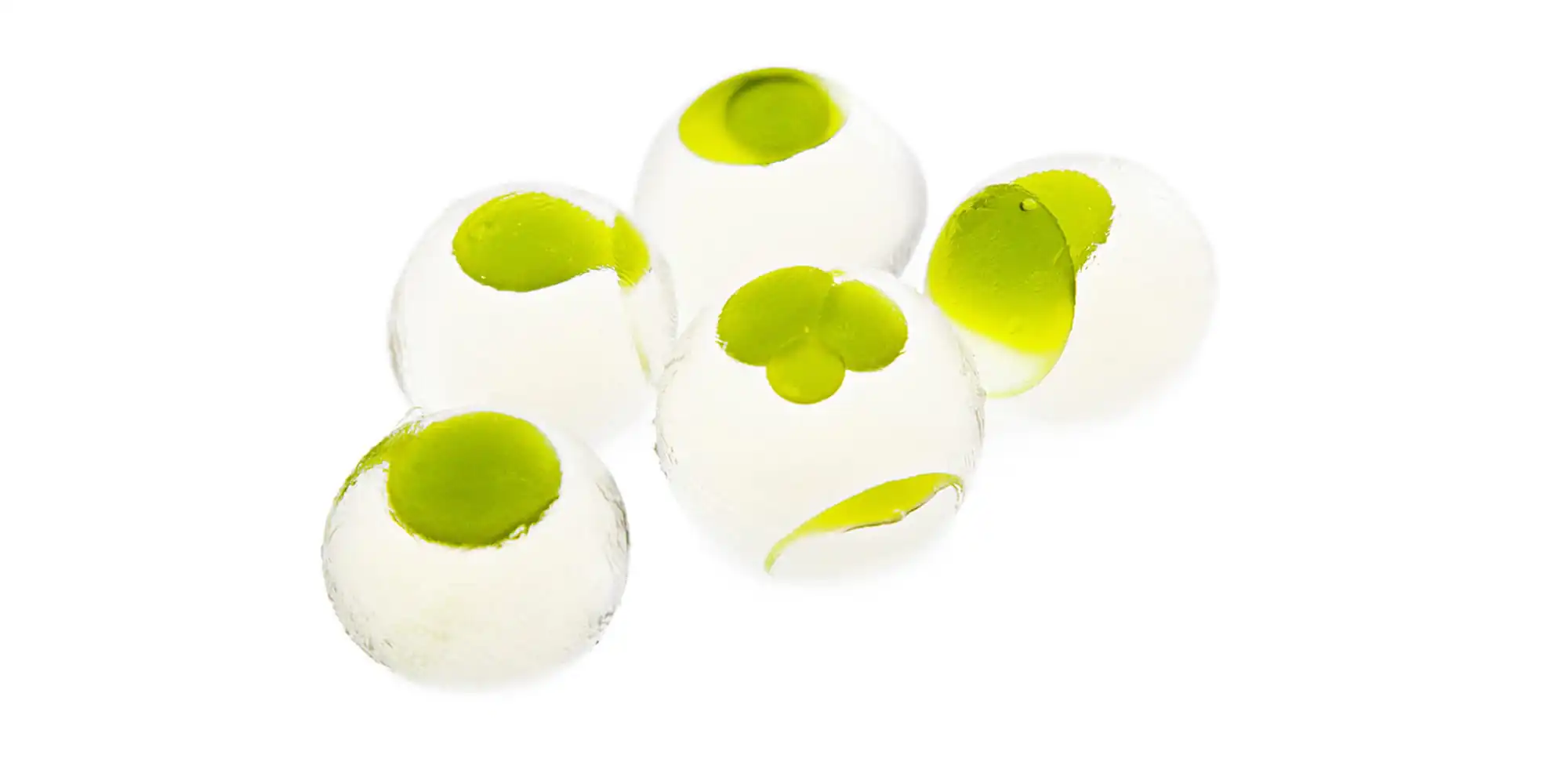
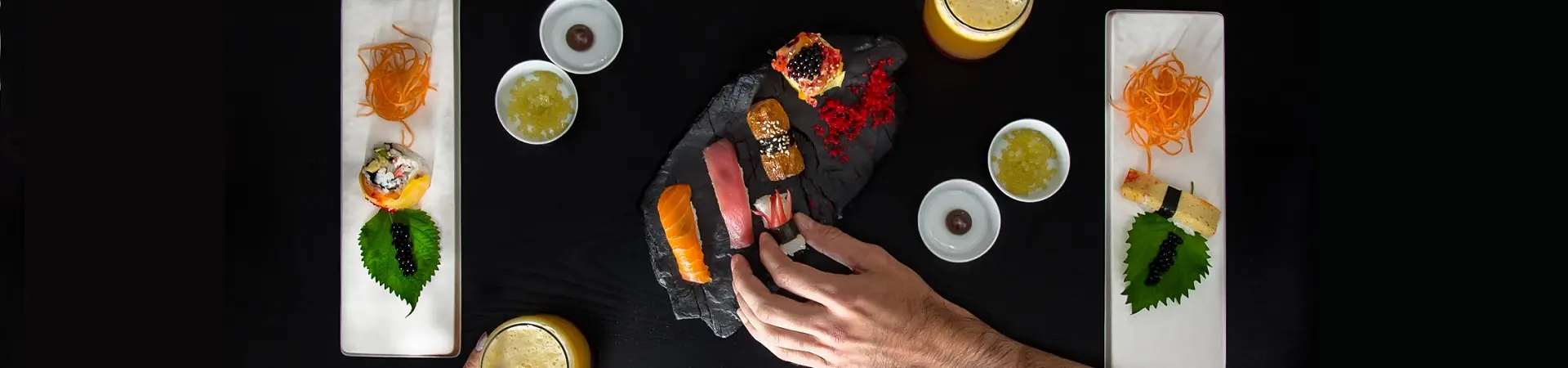
- Spherification (a caviar like effect).
- Transglutaminase (a protein binder, called meat glue).
- Syringe (for injecting fillings of unexpected flavour).
- Edible paper (made from soybeans and potato starch, used with edible fruit inks and inkjet printers).
- Aromatic accompaniment (gases trapped in a bag, a serving device, an aromatic substance presented as a garnish, or a smell produced by burning).
- Ultrasound (to achieve a more precise cooking time).